Reverse, a time‑travel tactical RPG with striking period style
Reverse: 1999, developed by Bluepoch Co., Ltd., casts you as Vertin, the Timekeeper, navigating a temporal collapse at the close ofThe title combines era-hopping exploration with strategic, turn-based encounters that require planning and deck management. Visual and audio production emphasize a retro-modern art direction and full English voice work with regional accents. The game targets tactical-RPG players who value narrative depth and character collection within a single-player, story-focused framework.
What kind of game is Reverse?
Reverse is a narrative-led tactical role-playing game that ties time travel to recruitment, tasking the player to rescue Arcanists across 20th-century eras. The central loop frames exploration and story beats around the mysterious "Storm," offering mission-based progression and decision points that push the plot forward. Combat sits at the center of advancement, and the story provides the motive for assembling and developing a roster of unique characters drawn from historical and mythic inspiration.
Does it have a multiplayer mode and how does progression unfold?
The experience is single-player, PvE-focused, designed around character collection and tactical encounters rather than competitive play. Progression uses a card-driven combat system with an explicit card-merging mechanic, where identical skills combine into stronger versions, shaping long-term build choices. Players gather and develop Arcanists with distinct abilities, so roster composition and timing of merged skills determine success in tougher encounters and strategic scenarios.
What does the game look and sound like?
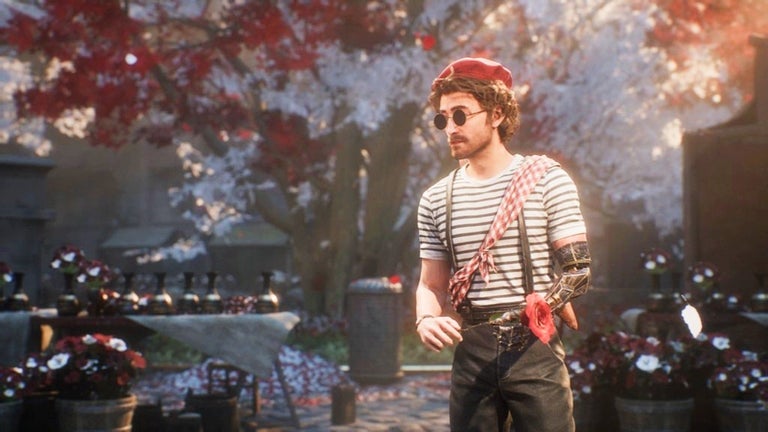
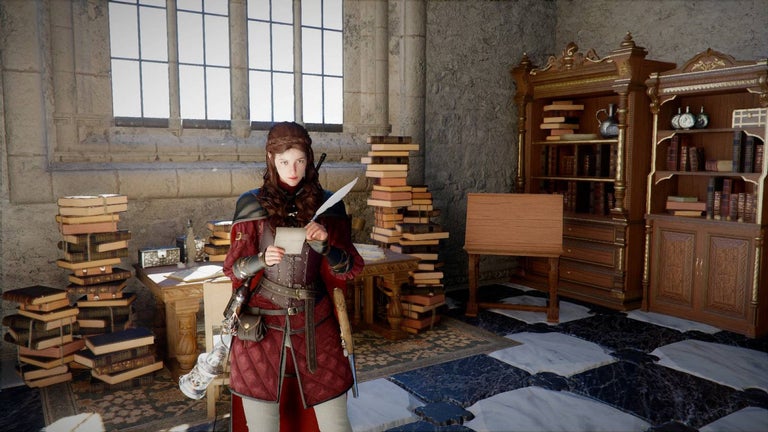
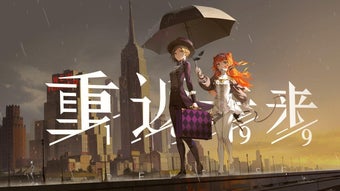
The title presents a retro-modern visual palette that blends pop art, classical oil painting, and modern animation into a consistent aesthetic, which gives each era a different mood. Audio design complements that approach, with full English voice acting that uses a variety of authentic regional accents to match international settings. Both systems contribute to atmosphere, with visual and vocal cues clarifying character identity and era-specific context during scenes and battles.
Is it hard to get started and what keeps you coming back?
Players report substantial strategic depth from the card-based mechanics, which rewards thoughtful preparation over reflexes, so early sessions focus on learning synergies and card merges. The game's emphasis on PvE storytelling supports a relaxed, play-at-your-own-pace approach, and the variety of Arcanists encourages repeat runs to test different group compositions. Some users note early script translation can read complex, which may slow initial onboarding for readers seeking immediate clarity.
In summary, Reverse suits narrative-minded tactical players
In summary, Reverse is a sound choice for players who prefer deliberate, story-driven tactical play across distinct historical settings; technical compatibility matters, since the PC release requires a 64-bit processor and operating system. The title rewards patience and character experimentation rather than competitive matchmaking, making it best for those who enjoy paced progression and era-by-era narrative exploration.

.png)